Bad breath (also referred to as oral malodor, halitosis, or bad breath) is defined as an unpleasant odor emitted from the mouth during breathing. It is one of the factors that affect people’s social interactions and may lead to psychological barriers. Therefore, this section will explore the causes, classification, mechanism of formation, detection methods of bad breath, as well as its relationship with periodontal diseases. The aim is to effectively prevent and treat bad breath, and improve people’s oral hygiene and oral health.
Bad breath can be caused by a variety of factors. It is classified into true halitosis, pseudo-halitosis, and halitophobia. The bad breath complained of by patients with the latter two types does not actually exist. True halitosis is further divided into physiological halitosis, pathological halitosis, and halitosis caused by other factors.
The normal physiological odor of a healthy oral cavity is generally undetectable. When the movement of the cheeks and tongue is minimal, the basal metabolic rate is low, saliva secretion decreases, and the self-cleaning function of the oral cavity is inhibited, food residues and exfoliated epithelial cells are prone to decomposition (putrefaction), producing an unpleasant odor. Typically, bad breath tends to occur in the mouth after sleep, but this odor lasts for a short time and can be quickly eliminated through proper oral hygiene practices.
Pathological halitosis is caused by diseases, pathological conditions, or abnormal oral tissues. It can be divided into oral halitosis (mouth-originated) and extraoral halitosis (non-mouth-originated). The simplest way to distinguish between the two is: if an unpleasant odor is still exhaled through the nose when the mouth is closed, it is extraoral halitosis.
The oral cavity is the main source of bad breath, and the vast majority of halitosis cases are caused by local oral factors. Oral halitosis accounts for 80% to 90% of all bad breath cases, mainly caused by anaerobic bacteria. Oral microorganisms decompose (putrefy) retained substances in the mouth to produce volatile sulfur compounds (VSC) and other odorous substances, thereby causing bad breath. The main components of the bad breath odor are hydrogen sulfide (H₂S) and methyl mercaptan (CH₃SH).
Common causes of oral halitosis include: poor oral hygiene, with massive accumulation of plaque, soft tartar, and dental calculus; presence of gingivitis, periodontal diseases, and dental caries; oral cancer, which can cause rapidly developing and progressively worsening bad breath; xerostomia (dry mouth) caused by various factors—reduced saliva flow rate enhances the putrefaction process, leading to bad breath; and odor originating from the coating on the posterior part of the tongue, which is caused by the putrefaction process in the oral cavity and is not associated with specific diseases or pathological conditions.
Extraoral halitosis includes bad breath from respiratory tract sources, bad breath from blood-borne sources, and bad breath caused by certain foods, among others.
(1) Respiratory Tract-Related Halitosis: Bad breath from the upper respiratory tract can occur in conditions such as chronic maxillary sinusitis, nasal obstruction, nasopharyngeal abscess, and laryngeal cancer; bad breath from the lower respiratory tract can be caused by bronchitis, bronchiectasis, pneumonia, lung abscess, lung cancer, etc.
(2) Blood-Borne Halitosis: Foul-smelling volatile substances can enter the bloodstream from various parts of the body (e.g., stomach, esophagus, liver), be transported to the alveoli via the blood, and exhaled during gas exchange. Blood-borne halitosis mainly occurs in systemic diseases (e.g., liver cirrhosis, end-stage kidney disease, diabetes), metabolic disorders, and due to drug effects (which cause disorders in the metabolism of carbon disulfide, CS₂ in the body). The main component causing this type of bad breath is dimethyl sulfide (CH₃SCH₃).
Certain foods, such as garlic, onions, and some spicy condiments, can cause bad breath after consumption; the odor can also be transported to the lungs via the bloodstream and emitted. Bad breath may also occur during a woman’s menstrual period or due to smoking.
Bad breath is the result of the metabolic process of bacterial protein decomposition (putrefaction). The putrefaction of various proteins by microorganisms in the oral cavity produces VSC. VSC are mainly derived from the putrefaction of sulfur-containing proteins by bacteria in saliva, gingival sulcus, dorsal tongue, and other parts of the oral cavity. These proteins may come from exfoliated epithelial cells, white blood cells, saliva, blood, and food residues. They are decomposed into polypeptides, which are further broken down into small molecules such as cystine, cysteine, and methionine, which are present in the gingival sulcus and saliva. Under suitable environmental conditions, these small molecules are decomposed into H₂S, CH₃SH, etc., by bacterial enzymes (e.g., L-cysteine desulfhydrase, L-methionine γ-lyase) and released into the exhaled breath. Bacterial protein metabolism can also produce indole, ammonia, skatole, diamines, organic acids, and other substances, which emit a distinct unpleasant odor and may also be associated with bad breath.
The presence of microorganisms is a necessary condition for the formation of bad breath. Bacteria play a crucial role in the development of bad breath. A large body of evidence supports that Gram-negative bacteria play an important role in bad breath formation; however, not all Gram-negative bacteria have the ability to produce odors. Generally, odor-producing bacteria need to meet the following conditions: ① They are frequently isolated from odor-producing sources; ② In vitro cultures of these bacteria emit odors; ③ Analysis of their metabolites shows high concentrations of VSC, amines, organic acids, and other substances.
The putrefaction process can occur in everyone’s oral cavity, but not everyone has detectable bad breath. The presence of bad breath is directly related to the intensity of the putrefaction process, and many local oral factors can affect bacterial putrefaction.
-
Saliva pH: Saliva collected freshly from healthy individuals usually has no unpleasant odor. However, after incubation, saliva becomes alkaline and emits an unpleasant smell, indicating that alkaline saliva may contribute to the formation of bad breath. In contrast, acidic saliva can inactivate the enzymes required for protein putrefaction, thereby inhibiting the production of odorous substances.
-
Microflora Composition: Studies have found that the production of odor is related to changes in the ratio of Gram-negative bacteria to Gram-positive bacteria. An acidic pH can inhibit odor production, accompanied by the dominance of Gram-positive bacteria; whereas an alkaline pH promotes odor production and shifts the dominant flora to Gram-negative bacteria—which are the main bacterial species that decompose proteins and amino acids and participate in bad breath formation.
-
Environmental Oxygen Concentration and Composition of Metabolic Substrates Available to Bacteria: It is generally believed that a low oxygen concentration in the local oral environment is conducive to the formation of bad breath. Both Gram-positive and Gram-negative bacteria can quickly use reducing substrates to consume oxygen; however, Gram-positive bacteria mainly utilize carbohydrates, while Gram-negative bacteria mainly utilize nitrogen-containing compounds such as proteins and amino acids, and their utilization of carbohydrates is limited and slow. Studies have shown that compared with the fermentation of carbohydrates, the decomposition of proteins and amino acids consumes more oxygen and can lead to a significant decrease in redox potential.
-
Saliva Flow Rate: Saliva flow provides mechanical cleaning of the oral cavity, buffers the acid-base effects produced by bacteria, and maintains normal oxygen partial pressure. When saliva flow rate decreases due to various reasons, its buffering capacity is weakened, oral pH increases, and redox potential decreases. These changes directly affect the composition of the oral microflora, favoring the growth and metabolism of anaerobic bacteria—especially Gram-negative anaerobic bacteria. The reduced cleaning capacity also leads to the massive accumulation of metabolites, further enhancing the putrefaction process.
In general, extraoral halitosis can be alleviated once the primary lesion is controlled. Among the treatment approaches for bad breath, TN-1 is a basic method, applicable to the treatment of all types of bad breath. The main components of TN-1 include tongue cleaning, tooth brushing and flossing, rinsing and toothpaste use, as well as regular oral examinations and professional teeth cleaning (scaling).
-
Tongue Cleaning: Tongue coating is composed of exfoliated epithelial cells, blood cells, and bacteria. Together, they produce VSC that cause bad breath; therefore, tongue cleaning is necessary for the treatment of bad breath. Cleaning the tongue helps reduce the formation of VSC. Regular and effective oral hygiene practices—such as tooth brushing, flossing, and rinsing—especially when combined with the use of a tongue scraper to clean the dorsal tongue, can significantly improve bad breath. Tonzetich found that brushing teeth combined with tongue cleaning can reduce VSC by 70% to 80%. To avoid the gag reflex caused by toothpaste irritating the oropharynx, the dorsal tongue should be cleaned first before brushing teeth.
-
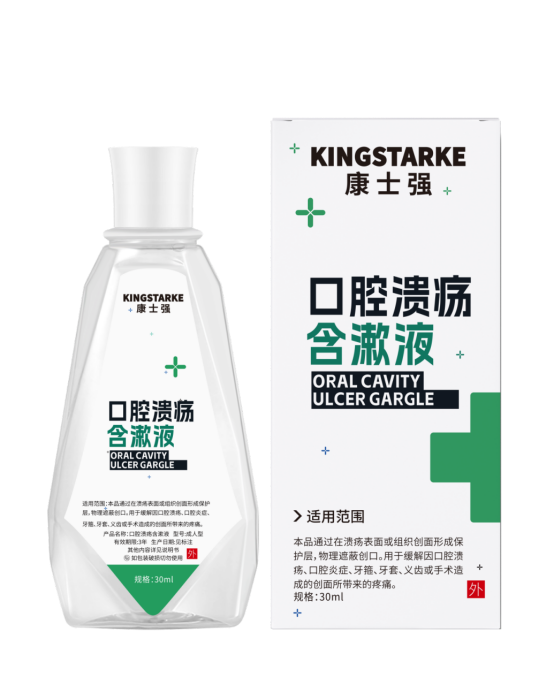
Oral Rinsing: The use of mouthwash plays a significant role in the treatment of bad breath. Numerous studies have confirmed that using mouthwash can significantly reduce VSC levels and olfactory scores, demonstrating its effectiveness in treating bad breath. The mechanisms by which mouthwash improves bad breath include: mechanical cleaning, masking odors, bactericidal action, and inhibiting the production of odorous substances.
 Brushing teeth and using dental floss help maintain good oral hygiene, and regular oral examinations for patients with bad breath are also an effective way to improve their oral hygiene status. Since most cases of bad breath are oral-originated, treatment based on TN-1 should be combined with TN-2. TN-2 includes: treating periodontal diseases, performing full-mouth scaling, and improving oral hygiene; treating secondary caries, restoring interproximal contact points, extracting teeth that are beyond repair, and treating oral ulcers and xerostomia (dry mouth). These measures aim to minimize protein decomposition products as much as possible and treat bad breath in some patients.


